Consolidated 12 fragmented sites into one governed, global-ready platform
Led the consolidation of twelve separate web properties into a single, scalable digital platform with standardized architecture, reusable templates, and repeatable deployment practices. The goal was to reduce fragmentation, improve SEO and conversion consistency, and create a system that global teams could safely evolve—shipping within a year.
“The win wasn’t just moving pages. The win was building a platform where every new page reinforces consistency, measurement, and speed across the organization.”
— Consolidation principle used to align stakeholders and engineering priorities- Multiple site architectures and inconsistent navigation patterns.
- Duplicated product and solution content with SEO cannibalization.
- Fragmented tracking (events, forms, conversions, reporting).
- Different release practices causing risk and regression.
- A unified information architecture with consistent page hierarchies.
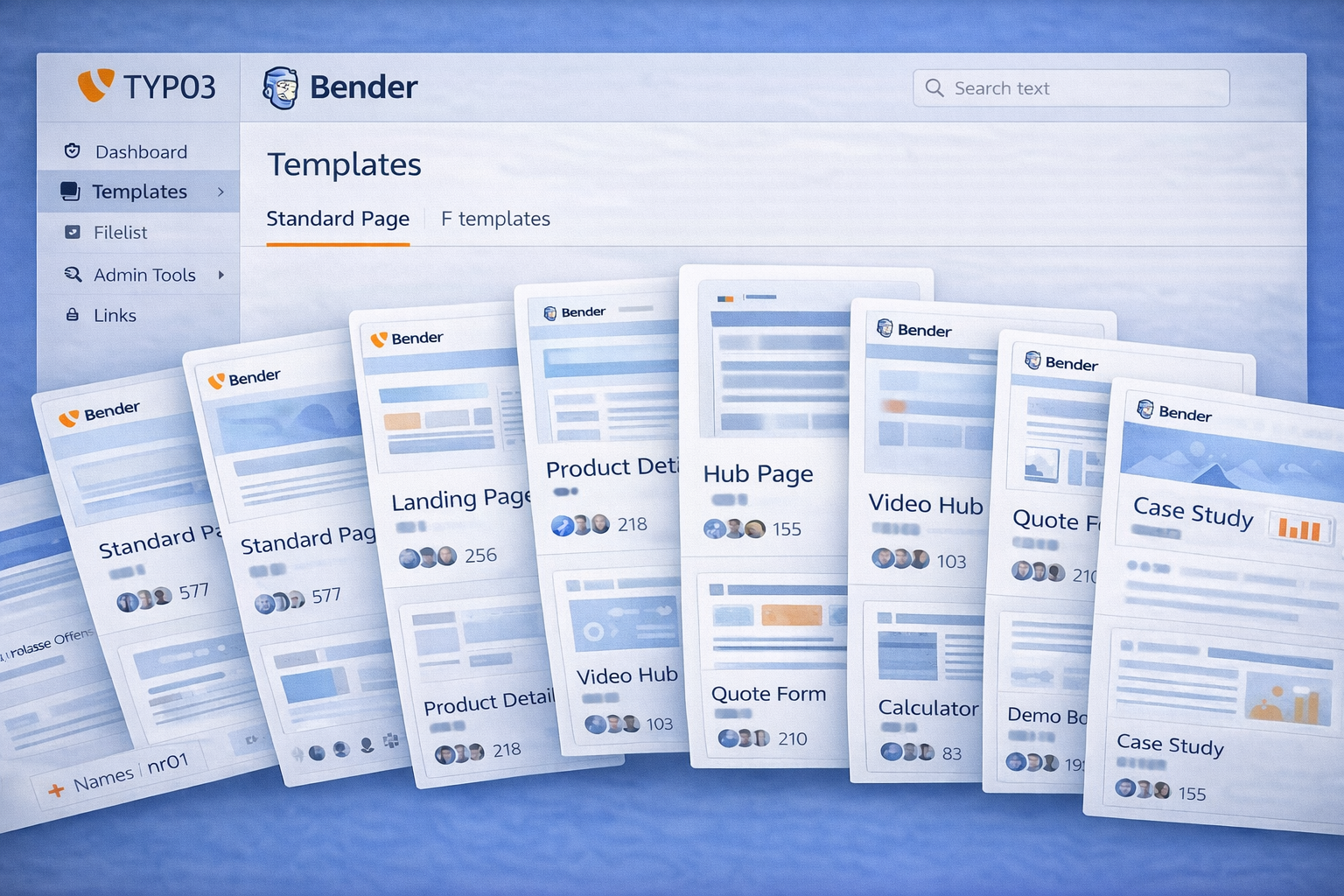
- A shared template library with controlled overrides.
- Standardized metadata + schema + internal linking patterns.
- Repeatable deployments: versioning, gating, rollback plans.
Migration decision table
| Decision | Rule | Why it mattered |
|---|---|---|
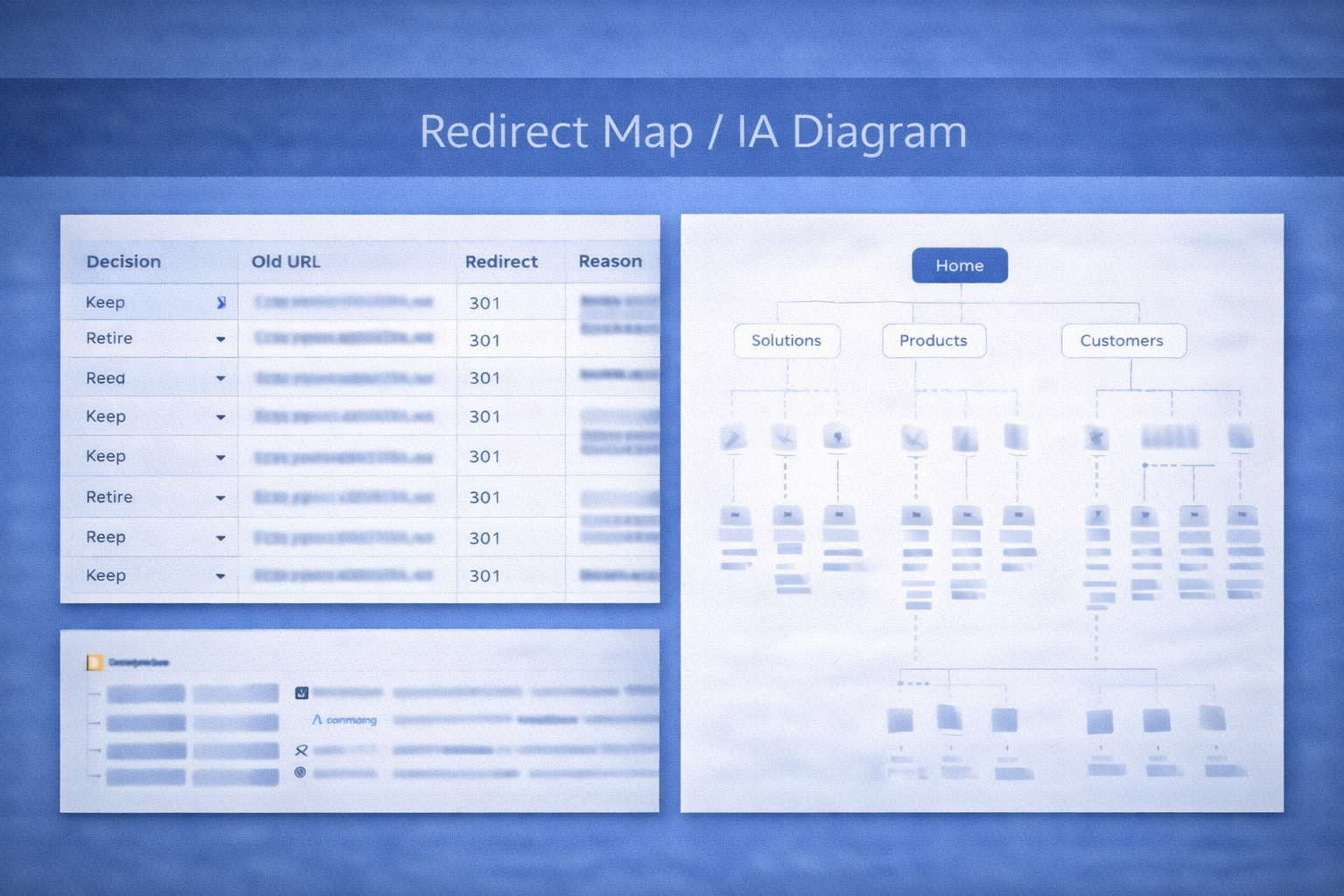
| Keep / merge / retire | Content evaluated by performance, duplication, and strategic priority. | Reduced bloat and improved crawl efficiency. |
| URL mapping | Strict redirect map + canonical strategy for consolidation. | Protected equity and prevented SEO regressions. |
| Template adoption | Default to shared templates; exceptions require justification. | Prevented re-fragmentation post-launch. |
| Tracking standards | Unified event taxonomy and form attribution fields. | Restored reporting trust across markets. |
Platform map (interactive)
Click a node to see how it contributed to consolidation, scalability, and reliability.
Unified Digital Platform
One system, consistent rules
Template Library
Reusable page types
SEO Guardrails
Migration-safe + scalable SEO
Analytics Standards
Comparable performance tracking
Release Train + Versioning
Predictable, safe deployments
Editorial Governance
Prevents fragmentation post-launch
Unified Digital Platform
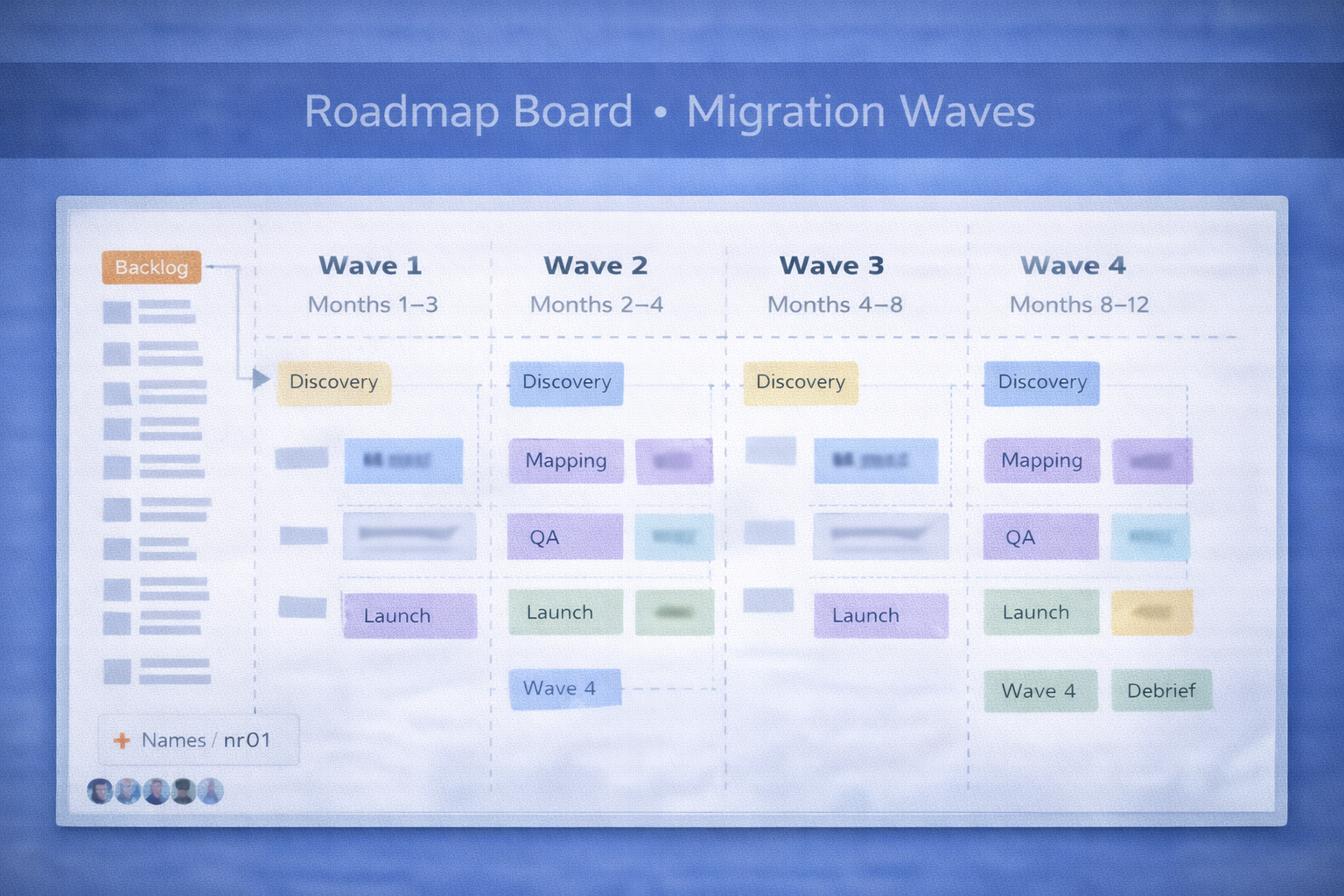
Delivery plan (built to ship within a year)
Cataloged sites, content types, performance, and duplication; defined target IA and consolidation rules.
Established shared templates, navigation standards, tracking taxonomy, and release process.
Batch migrations using repeatable playbooks; redirect mapping and QA gates per release wave.
Fix drift, monitor SEO/analytics, tune conversion components, and standardize ongoing operations.
Migration wave checklist
| Gate | What we verified | Evidence |
|---|---|---|
| Content mapping | Keep/merge/retire decisions documented. | Inventory sheet + approvals |
| Redirects | 301 map complete; canonicals correct. | Redirect report + spot tests |
| Template contract | Zones populated; no empty modules rendered. | QA screenshots |
| Tracking | Events, forms, and attribution verified. | Analytics validation checklist |
| Rollback | Plan and tag available for quick reversion. | Release notes + rollback steps |
Governance model (so the platform stays unified)
- Template contract is the default; exceptions require review.
- Navigation/IA changes go through platform governance.
- SEO primitives live in templates (schema, canonicals, linking).
- Tracking taxonomy is standardized and versioned.
- Weekly release train with QA gates.
- Monthly SEO/analytics health review.
- Editorial training and documentation refresh.
- Backlog grooming: consolidation debt + growth improvements.
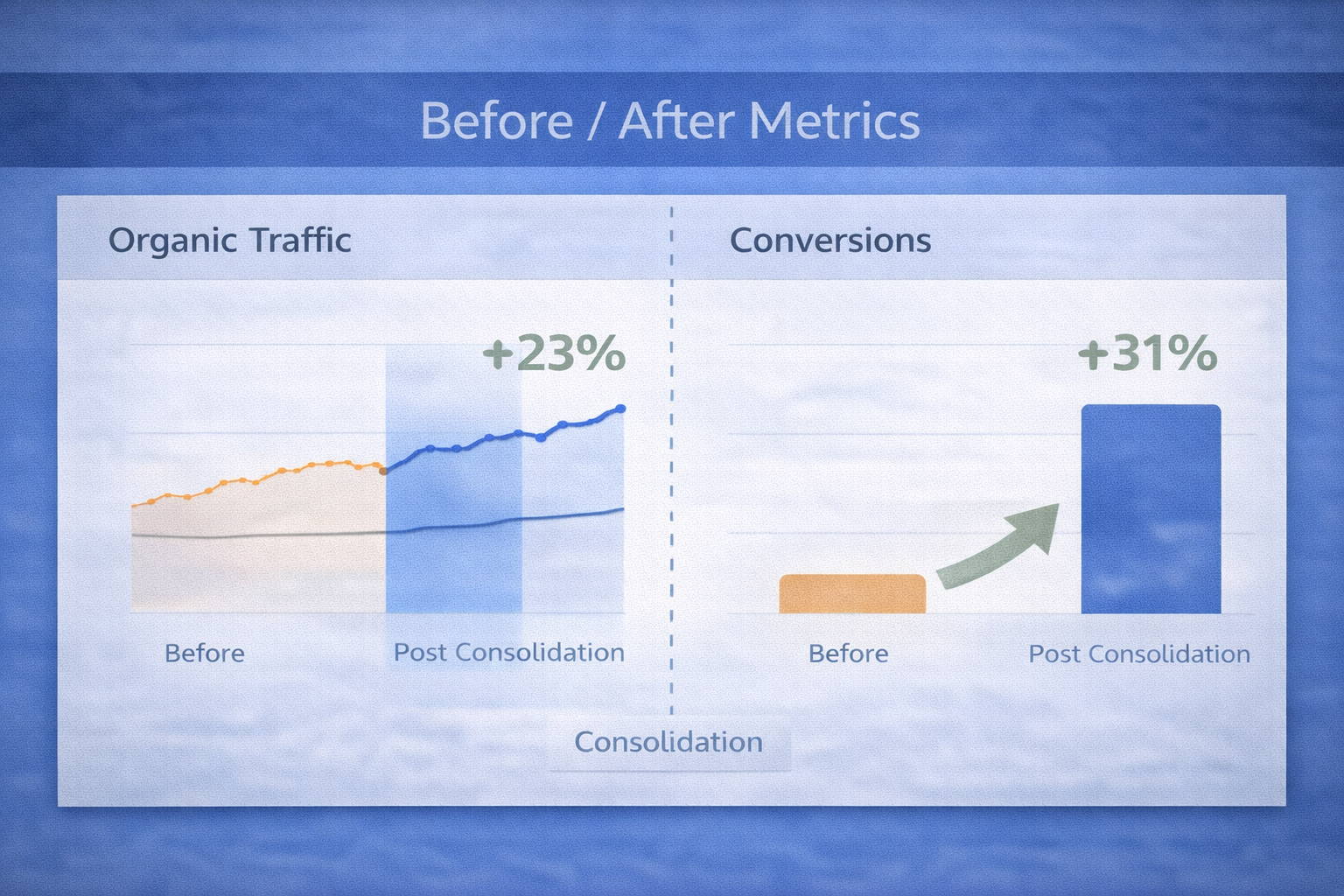
Impact
| Outcome | What changed |
|---|---|
| Reduced fragmentation | Unified templates and navigation eliminated drift and inconsistent UX across properties. |
| SEO resilience | Redirect mapping and canonical strategy protected equity and reduced duplication/cannibalization. |
| Operational speed | Repeatable migration playbooks and release train increased delivery predictability. |
| Measurable growth | Standardized analytics restored trustworthy reporting and optimization loops. |
My leadership
- Created a clear platform vision: “one system, governed overrides.”
- Built a migration factory with playbooks and QA gates to scale output.
- Set release discipline: versioning, notes, rollback plans, and ownership boundaries.
- Aligned stakeholders on content decisions (keep/merge/retire) with data.
- Contract-driven templates prevent re-fragmentation
- Redirect + canonical strategy protects SEO equity
- Standard analytics taxonomy enables real optimization
- Release train + rollback culture reduces platform risk